Why do families choose Killarney Heights?
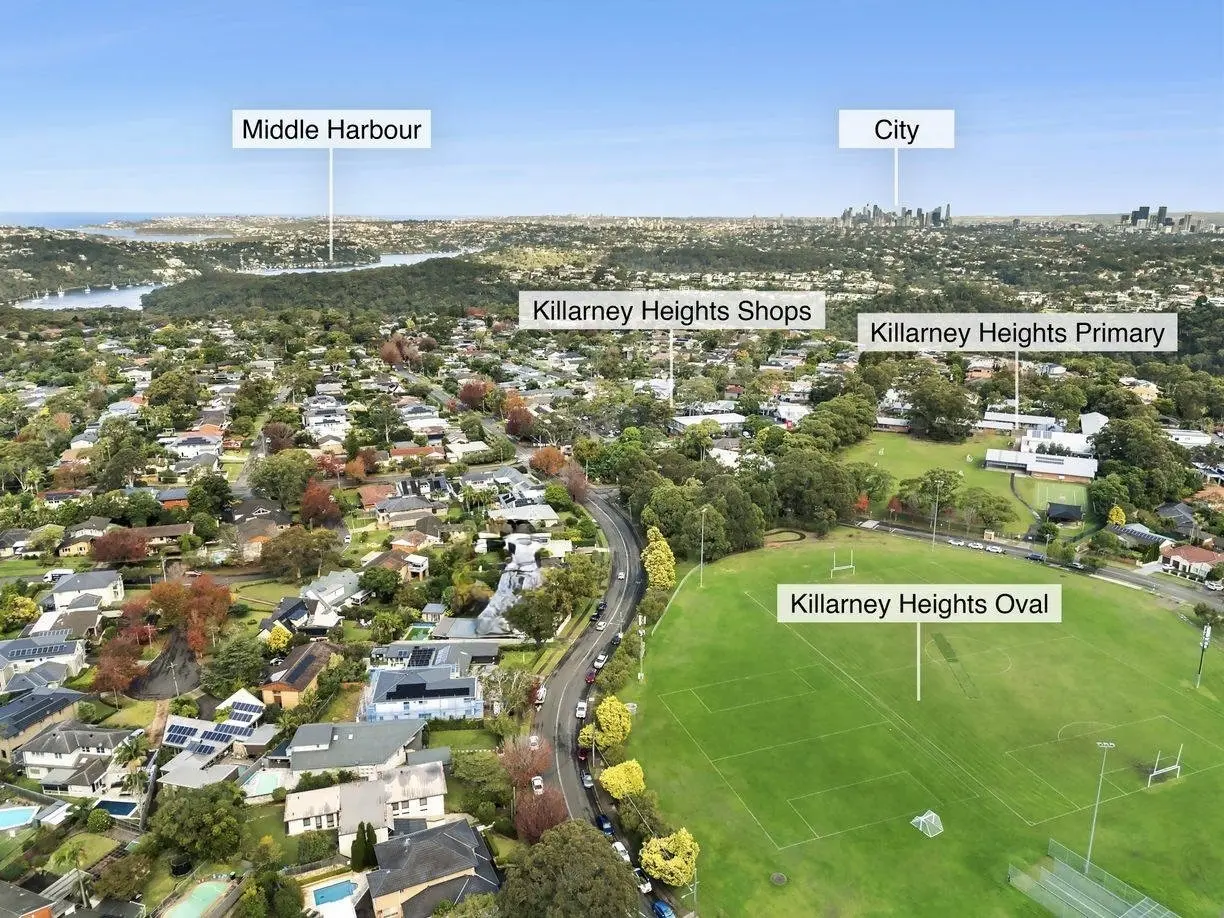
Many families choose to settle in and around Killarney Heights because it offers an exceptional quality of life for families, with all of the conveniences, services and amenities of the city close by, in a leafy, quiet and safe suburb surrounded by National Parks, stunning beaches and a year-round outdoor lifestyle.
Located on Sydney's beautiful Northern Beaches, the area is renowned for its:
- safe, welcoming and family-friendly community
- abundant parks, bushland and nature reserves
- close proximity to some of Sydney's most beautiful beaches
- excellent sporting and recreational facilities
- relaxed outdoor lifestyle
- easy access to the hubs of Chatswood, North Sydney, Manly, and Sydney's CBD (central business district) while enjoying a peaceful suburban environment.
- Public transit via buses along Forestway and Warringah Road, with services to Chatswood (connections to train and metro), North Sydney, the CBD, and to Manly and Brookvale.
The bilingual program also allows children to become fully integrated into Australian life while maintaining and developing their French language and cultural identity.
At the heart of the suburb is Tramore Place, a vibrant local shopping village with a playground where families gather to find everything they need for daily life, including cafés, a specialty fresh food shop, medical services, bakeries, bottle shop, hairdresser, tutoring, music lessons, dance studio, and other services. It has become a popular meeting place for local families and the wider French-speaking community.
Over the past 25 years, Killarney Heights has developed into Australia's best-known Francophone community. According to the 2021 Australian Census, 6.1% of Killarney Heights residents speak French at home, compared with just 0.3% across Australia, giving the suburb the highest concentration of French speakers in the country.
This unique community has attracted national and international media attention. In 2025, the ABC described Killarney Heights as "Australia's French capital", highlighting its bilingual school, French cafés, specialty food stores and vibrant community life.
In 2026, French newspaper Le Monde referred to the suburb as "Petit Paris", noting that families from across Sydney have chosen to settle in Killarney Heights because of the FANS bilingual program at KHPS and the thriving French-speaking community that has grown around it.
For many newly arrived families, this means settling into a neighbourhood where it is easy to hear French spoken in cafés and playgrounds, buy French products, meet other Francophone (and Francophile) families, and enjoy cultural events throughout the year, while still becoming fully immersed in Australian life.
This rare combination of a welcoming Australian community and a thriving French-speaking network helps many families feel at home from the moment they arrive.
What is FANS?
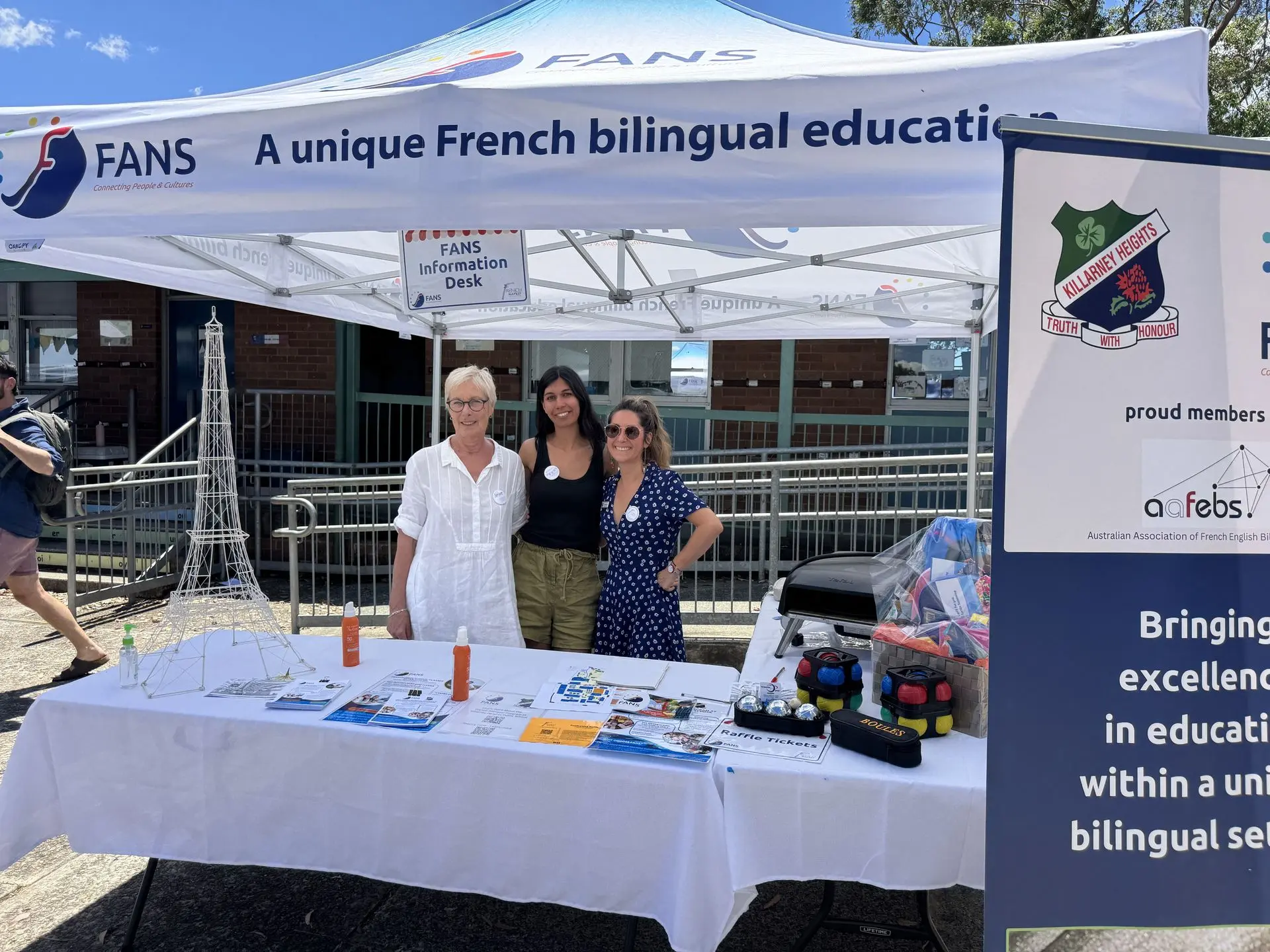
FANS (French-speaking Association of the North Shore) is a not-for-profit association created by parents, for parents to deliver a French bilingual education at Killarney Heights Public School.
For more than 25 years, FANS has partnered with Killarney Heights Public School to provide one of Australia's longest-running French bilingual programs.
FANS:
- manages enrolments into the bilingual program
- employs the Teachers of French who deliver the bilingual program alongside NSW Department of Education teachers
- offers the opportunity to sit the DELF Prim’ exams to all Year 6 students in the bilingual program at KHPS
- offers extracurricular classes, including
- L'Etude French Homework Club,
- Le Petit Sportif after-school bilingual sports classes, and
- Extracurricular High School classes after school in DELF Jr B1, B2, Current Affairs and French History
- supports curriculum development and classroom resources
- organises social and cultural events, including the annual French Market, World Music Day, French Film Festival outings, Sip & Chat welcome to new families, FANS Ed Talks series, parents' nights out, trivia night, and more!
- Maintains an active role in the Australian French-speaking community
- builds a vibrant French-speaking community for families.
Why do families choose the Anglophone stream of the FANS French bilingual program at Killarney Heights Public School?
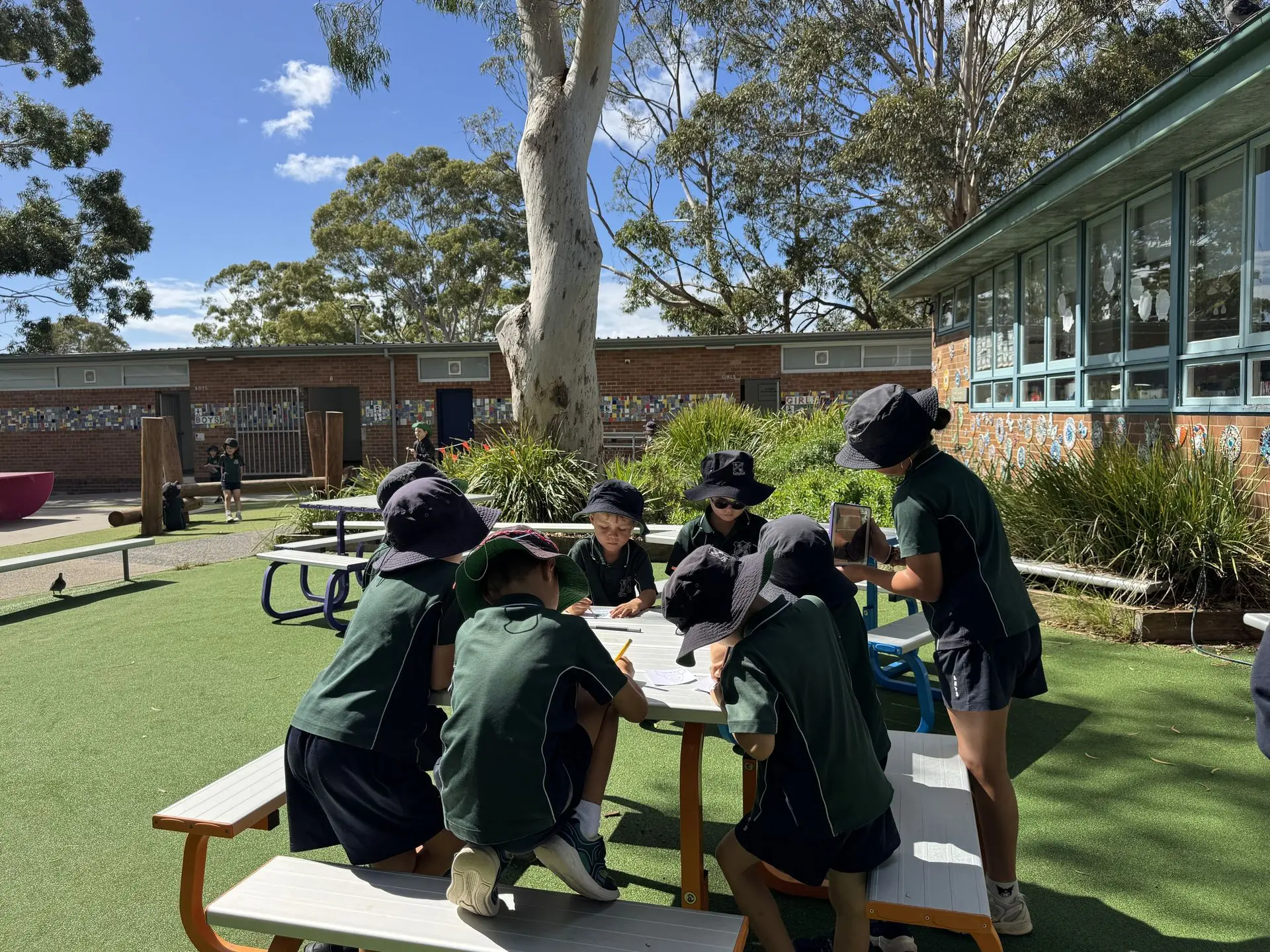
Many families join our bilingual program as part of the Anglophone stream, starting with little or no French language experience. They are looking for more than just language lessons—they want their child to develop the skills and mindset that come from growing up bilingual in an increasingly interconnected world. In fact, some children in the Anglophone stream may already have another language at home, and add French as a third (or fourth) language!
Children can successfully learn two languages without compromising their English language development or academic achievement. When both languages are well supported, bilingual education enables children to develop high levels of proficiency in both languages while following the same curriculum as their monolingual peers.
Families often choose the program because it offers:
- A genuine bilingual education within a quality, dynamic NSW public school, where French and English are used as languages of learning.
- An internationally recognised language, spoken by more than 320 million people across five continents and an official language of many international corporations and organisations, including the United Nations, the European Union and the International Olympic Committee.
- Strong academic outcomes, with students learning the full NSW Curriculum while developing proficiency in a second language.
- Cognitive benefits, including enhanced problem-solving skills, mental flexibility, creativity and executive functioning.
- Welcoming, diverse international community. Your family will be surrounded by like-minded parents and children.
- Greater cultural awareness, helping children appreciate different perspectives and develop empathy and curiosity about the world.
- Excellent preparation for future study and careers, as bilingualism is increasingly valued by universities and employers in an interconnected global economy.
- A vibrant multicultural community, where Australian, French and international families learn together and build lifelong friendships.
At Killarney Heights Public School, students don't need to come from a French-speaking background to succeed. Our experienced FANS Teachers of French work alongside NSW Department of Education teachers to support children every step of the way, creating a welcoming environment where students gain confidence using French naturally in everyday learning.
For many families, one of the greatest rewards is seeing their child achieve something they never imagined possible: leaving primary school able to communicate, read and write in another language, with the confidence and curiosity to engage with the wider world.
Why do French-speaking families choose the bilingual program?
For families with parents from French-speaking countries, the bilingual program offers the quality of a dynamic public NSW school, along with the advantage of learning in both English and French.
Children continue to develop, maintain and grow their French language skills while being fully immersed in Australian schooling. They benefit from:
- academic and cultural learning in both English and French
- opportunities to build friendships in both French- and English-speaking communities
- an internationally-minded school community that prepares them to thrive in a multilingual world.
Many parents tell us that the bilingual program helps their children maintain a strong connection to their French language and culture while embracing all the opportunities of life and education in Australia.
2. Which stream is right for my child?
How do I know whether to apply for the Francophone or Anglophone stream?
Our bilingual program offers two pathways, designed to meet children where they are in their French language journey.
Francophone Stream
- For children who consistently, from birth, have French at home or have a strong/native level of French.
Some children grow-up in Australia with one or two French-speaking parents, while some children have moved to Australia from a French-speaking country, or arrived from overseas with prior knowledge of French. - Students learn part of the NSW curriculum in French and attend two weekly IFBS (Intensive French Before School) language sessions focusing on French grammar, spelling, writing and language conventions.
Anglophone Stream
- For children learning French as an additional language, or who have had minimal exposure to French.
- No prior knowledge of French is required. Students progressively develop their French through classroom learning integrated into the NSW curriculum.
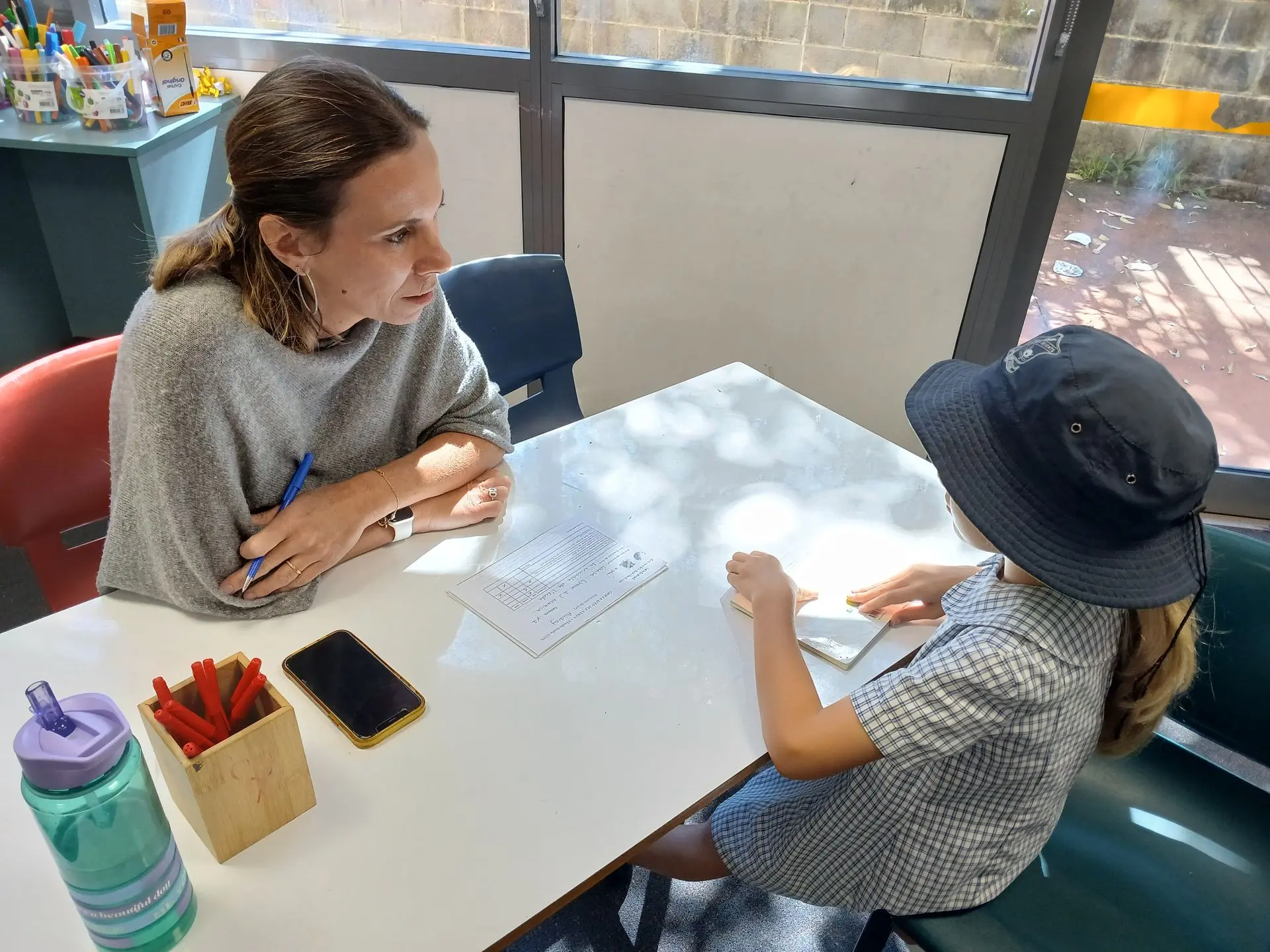
If you're unsure which stream is the best fit, don't worry. We can organise a French language assessment with one of our Teachers of French to determine your child's proficiency and recommend the most appropriate pathway.
My child hears French at home because one or both parents speak French, but my child doesn't speak very much French. Does this pose a problem when starting Kindergarten?
Not at all—and it's actually a very common situation for students starting Kindy in the Francophone stream, who are being raised in Australia but have grown up hearing one or two parents speak French at home since birth. Children often use their language of play as their main language.
Many children in a multilingual family understand much more than they feel confident speaking. They may answer in English, mix both languages, or simply be reluctant to use French.
Our bilingual program helps children:
- build confidence speaking French in a supportive environment
- unlock language skills they've already developed through exposure at home
- expand their vocabulary and grammatical knowledge
- interact daily with other French-speaking children and teachers
- see French as a natural language for learning, communicating and making friends.
Parents are often surprised by how quickly children begin using French more confidently once they're immersed in a bilingual learning environment.
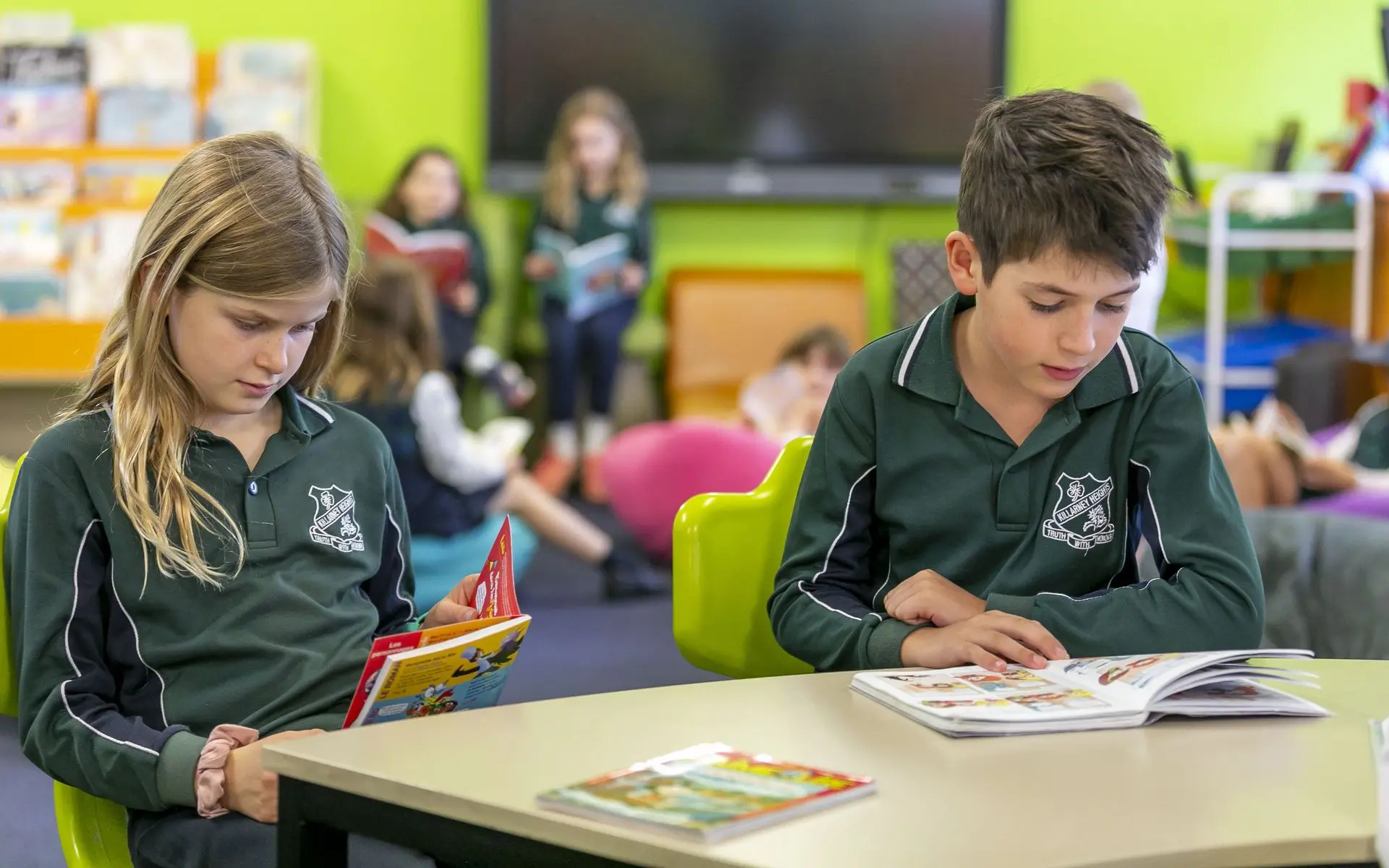
3. Understand how the bilingual program works.
How does bilingual learning work in the classroom?
Students learn the NSW Curriculum through both English and French.
The amount of French instruction varies depending on the stream:
Anglophone Stream
- Approximately 20% of weekly instruction is delivered in French.
- Students progressively build language skills through authentic classroom learning.
- Option to enrol in a weekly IFBS (Intensive French Before School) for Anglophone stream students every Wednesday, 8:00am - 8:45am to develop language skills and increase exposure.
Francophone Stream
- Approximately 35% of weekly instruction is delivered in French.
- This includes two weekly IFBS sessions dedicated to developing French literacy through grammar, spelling, vocabulary, and language conventions.
Rather than learning French as a separate subject, students use French as a language for learning across a range of curriculum areas, helping them develop confidence and fluency in meaningful contexts.
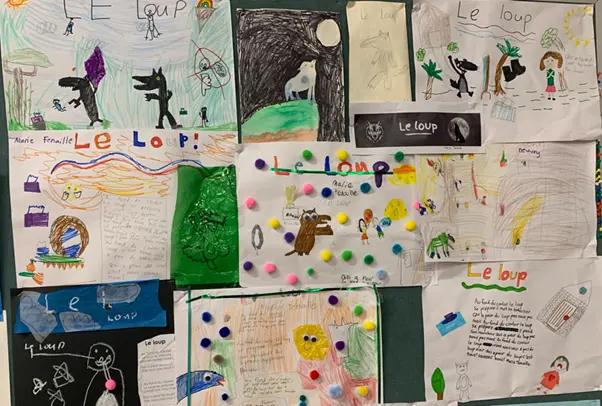
How do the teachers collaborate to deliver the curriculum in both languages?
One of the unique strengths of the program is its team teaching model. Thanks to the additional Teachers of French employed by FANS, many classes have an average student-to-teacher ratio of approximately 15:1 during French learning sessions.
This collaborative approach brings significant benefits for both students and teachers, including:
- smaller teaching groups that allow for more personalised support
- greater opportunities for differentiation to meet individual learning needs
- increased student engagement and participation
- close collaboration between NSW Department of Education teachers and Teachers of French
- flexible teaching arrangements that allow educators to work with different groups of students according to learning goals
- richer classroom experiences through the complementary expertise of two teaching professionals.
The team teaching model not only enhances language learning but also strengthens the delivery of the NSW Curriculum, creating a dynamic and supportive classroom environment where every child can thrive.
How does learning in two languages affect literacy and English language development?
Research consistently shows that bilingual education does not delay English literacy or language development when both languages are well supported.
In fact, learning in two languages often strengthens overall literacy skills. Children learn how language works, develop greater awareness of grammar and vocabulary, and become more flexible communicators.
Students in our program follow the NSW Curriculum, meeting the same English learning outcomes as all NSW public school students while also developing strong French language skills. Students are assessed on curriculum topics in English, and outcomes in testing such as the NAPLAN demonstrate that KHPS is consistently performing at or above the outcomes of comparable primary schools.
Recent peer-reviewed evidence (2022–2025)
- Kittle, J. M., Amendum, S. J., & Budde, C. M. (2024). What Does Research Say About the Science of Reading for K–5 Multilingual Learners? A Systematic Review of Systematic Reviews. Educational Psychology Review.
- Synthesises findings from 30 systematic reviews.
- Concludes that multilingual learners can successfully develop English literacy while drawing on skills in both languages, and that supporting both languages benefits reading development.
- Oshchepkova, E., Kartushina, N., & Razmakhnina, K. (2023). Bilingualism and Development of Literacy in Children: A Systematic Review. Psychology in Russia: State of the Art.
- Reviews research on bilingual literacy development.
- Finds that developing literacy in two languages is associated with positive language and literacy outcomes when both languages are supported.
- Dixon, L. Q., Kim, H., Dayani, A., & colleagues (2025). The relationship of home language and literacy practices to biliteracy development among immigrant bilingual children: A review of studies from 2014–2023. Literacy.
- Shows that maintaining and developing a child's home language supports biliteracy and overall language development rather than competing with English acquisition.
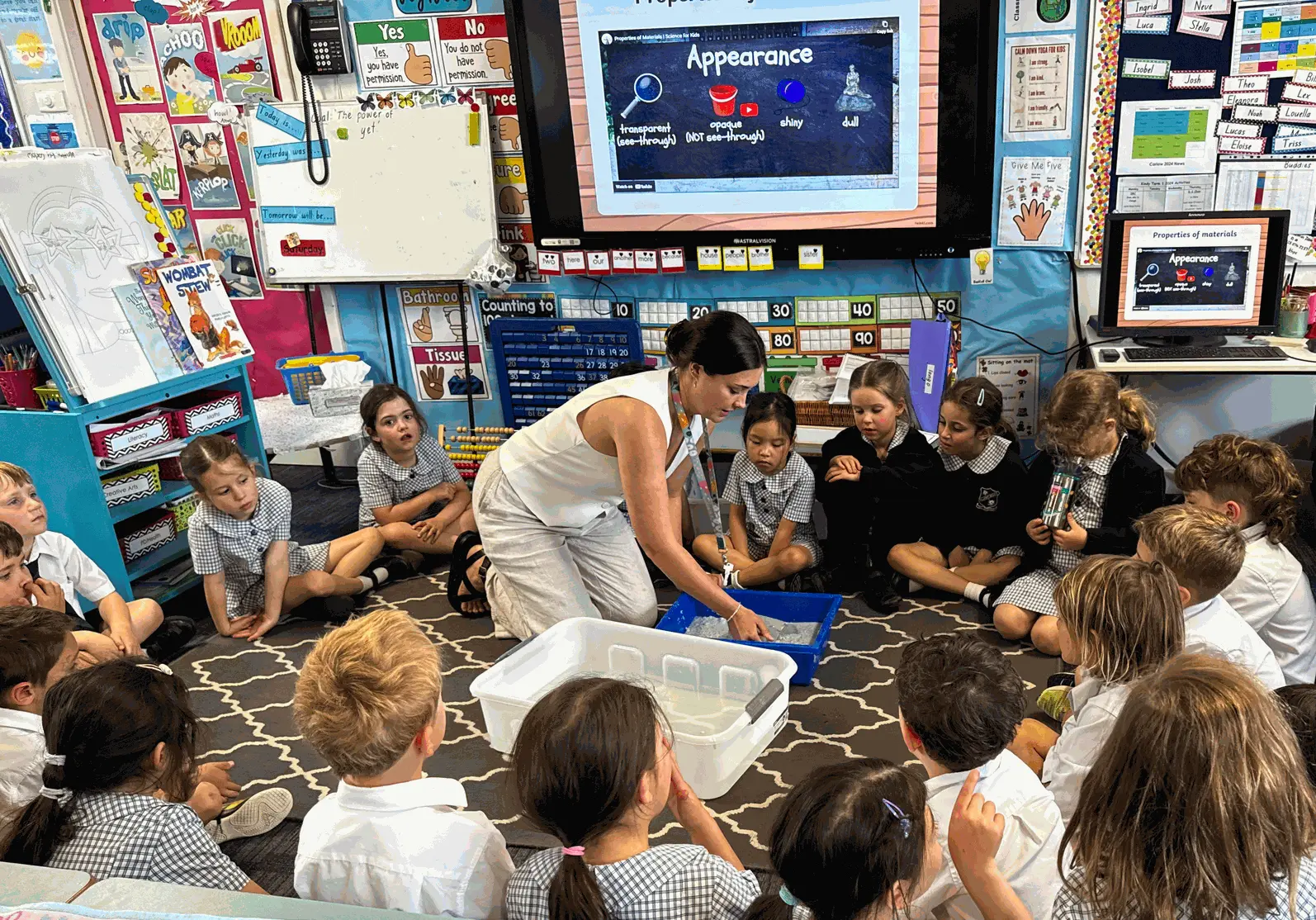
Does bilingual education affect academic outcomes?
Decades of international research have shown that students in well-designed bilingual education programs achieve academic outcomes that are comparable to, and in many cases exceed, those of students in monolingual programs. At the same time, they develop proficiency in an additional language without compromising English literacy or overall academic achievement.
At KHPS, children enrolled with the FANS French bilingual program learn the same NSW curriculum content as their peers while developing an additional language. Beyond language learning, bilingual education is associated with benefits such as:
- stronger problem-solving skills
- improved cognitive flexibility
- enhanced attention and concentration
- increased cultural awareness and global perspectives.
Our students continue to meet NSW curriculum outcomes while gaining the lifelong advantage of bilingualism.
1. Lee, J. H., Lee, H., & Lo, Y. Y. (2025). Effects of Content and Language Integrated Learning at the Primary School Level: A Multi-Level Meta-Analysis. Educational Research Review (Elsevier).
- One of the strongest recent reviews of bilingual education in primary schools.
- Found that students in CLIL (Content and Language Integrated Learning) programs developed significantly stronger second-language skills without compromising academic content learning.
2. Kittle, J. M., Amendum, S. J., & Budde, C. M. (2024). What Does Research Say About the Science of Reading for K–5 Multilingual Learners? A Systematic Review of Systematic Reviews. Educational Psychology Review.
- Synthesised evidence from 30 systematic reviews.
- Concluded that multilingual learners can successfully develop English literacy while maintaining another language, and that supporting both languages benefits literacy development.
3. Romero, M. E., Burns, M. K., Wan, H. T., Abdelnaby, H., & Crawford, T. J. (2025). A Meta-Analysis on the Effects of Peer Tutoring on Emergent Bilinguals' Academic Achievement. Psychology in the Schools.
- Demonstrated that well-designed instructional approaches can significantly improve the academic achievement of bilingual learners, particularly in reading.
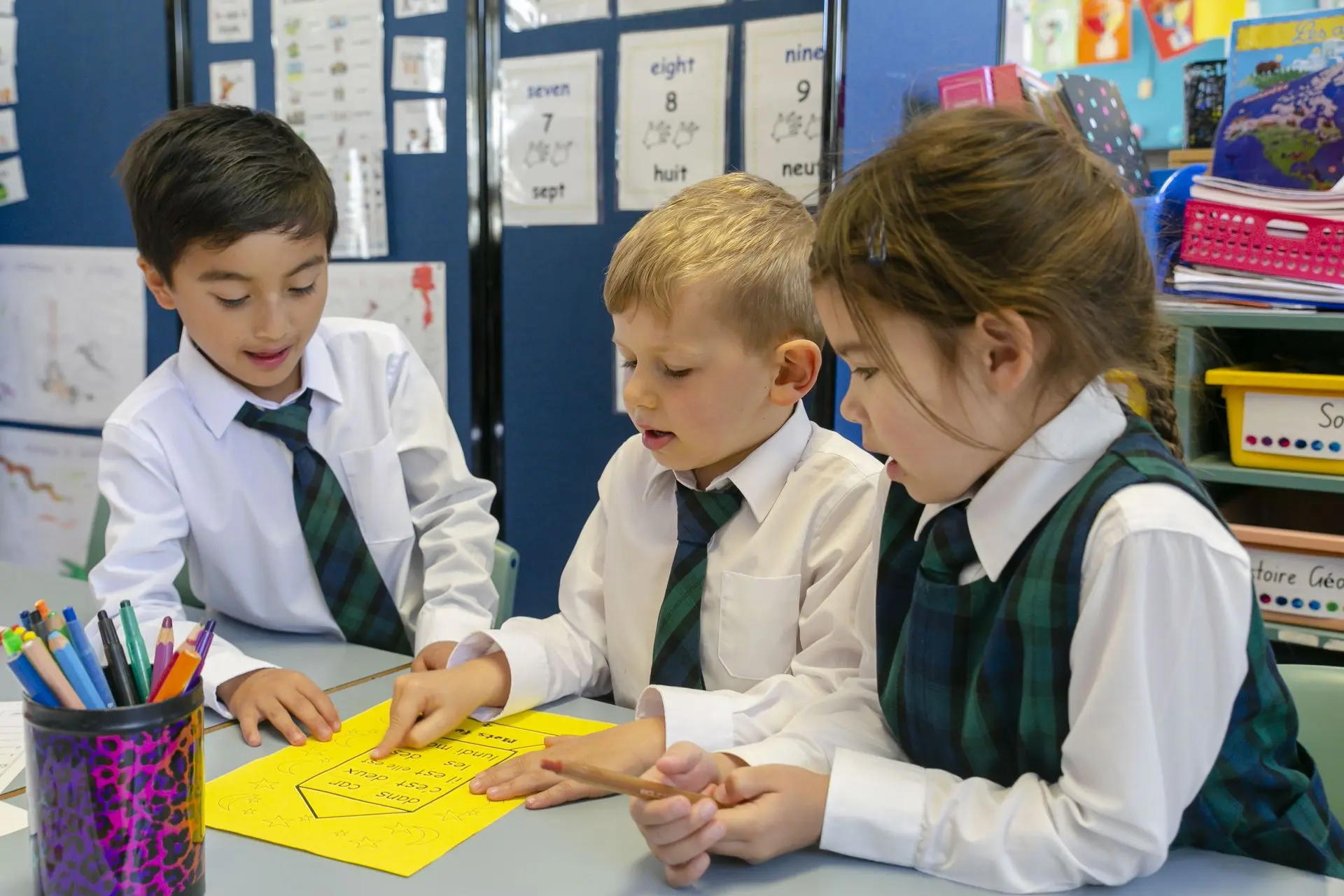
How can we enrol?
Can we apply if we don't live in the Killarney Heights catchment?
Yes. Families living outside the school catchment may apply for an out-of-area enrolment, subject to availability and the Department of Education enrolment process.
As a general guideline, the school will consider families living within approximately a 25-minute drive from Killarney Heights Public School during peak-hour traffic.
This helps ensure that students:
- don't spend excessive time commuting each day
- can participate in school activities and extracurricular programs
- build and maintain friendships with classmates
- remain connected to the school community outside classroom hours.
If you're unsure whether your home falls within a suitable distance, we'd be happy to discuss your circumstances before you apply.
We are moving to Sydney from overseas. What is the enrolment process?
Welcome! We regularly welcome families relocating to Sydney from around the world.
If you're moving from overseas, your first step is to contact Killarney Heights Public School (KHPS), who will guide you through the school enrolment process. Enrolment requirements vary depending on your circumstances, including your visa type and whether your child is an Australian citizen, permanent resident, or temporary resident.
Once you've made contact with the school, FANS can:
- discuss your child's educational background and language profile
- arrange a French language assessment
- recommend whether the Francophone or Anglophone stream is the best fit for your child.
- answer questions about enrolment, the bilingual program, and settling into the area.
If your child already speaks French, or has been educated in French, we'll assess their level to ensure they're placed in the most suitable learning stream.
If your child has little or no prior French and is entering Year 2 or above, it is generally unlikely that they will be able to join the bilingual program successfully, unless the family is committed to providing private French tuition, immersion, or other opportunities to be discussed to support their French acquisition. As the program begins in Kindergarten, students entering later without previous French language learning have often missed too much of the language foundation needed to access the curriculum confidently.
However, every child's situation is unique, and we are happy to discuss your family's circumstances on a case-by-case basis.
How does the NSW curriculum compare with the French primary school system?
Families arriving from France or other Francophone countries often ask how Australian primary schools differ. While both systems aim to develop strong literacy, numeracy and critical thinking skills, they have different educational philosophies and approaches to learning.
The NSW Curriculum
The NSW Curriculum provides students with a strong foundation in:
- English
- Mathematics
- Science and Technology
- Human Society and Its Environment (HSIE)
- Creative Arts
- Personal Development, Health and Physical Education (PDHPE)
Alongside academic learning, Australian schools place a strong emphasis on developing the whole child. Students are encouraged to become:
- confident communicators
- creative and critical thinkers
- collaborative problem-solvers
- resilient, independent learners
- active and responsible citizens.
Australian primary education shares these high expectations but generally places greater emphasis on:
- inquiry and project-based learning
- creativity and innovation
- collaboration and teamwork
- oral communication and presentations
- student wellbeing and social-emotional development
- participation in sport, music and creative arts.
French and Australian year level comparison
The table below provides a general guide for families moving between the French and Australian education systems.
Australia (New South Wales) | French Equivalent |
Kindergarten (first year of primary school) | Grande Section (GS) / CP (Cours Préparatoire) |
Year 1 | CP (Cours Préparatoire) |
Year 2 | CE1 |
Year 3 | CE2 |
Year 4 | CM1 |
Year 5 | CM2 |
Year 6 | 6ᵉ (first year of collège) |
Kindergarten entry in NSW
Children are eligible to start Kindergarten at the beginning of the school year in February if they turn 5 years old on or before 31 July of that year. Families with children born after this date generally begin Kindergarten the following school year. By law, all children must be enrolled in school by their 6th birthday.
A note for families arriving from France
The terminology can be confusing! Although the NSW Kindergarten (aka Prep or Foundation in other Australian states) may sound similar to maternelle, it is actually the first year of primary school. Students then progress through Years 1 to 6, before beginning secondary school in Year 7.
This means that Australian Year 6 broadly corresponds to 6ᵉ, the first year of collège in the French school system.
Please note that year placement is determined by Killarney Heights Public School in accordance with NSW Department of Education enrolment guidelines, taking into account a child's date of birth.
We are moving to Sydney from overseas and my child doesn't yet speak English. How will they learn English and integrate into the school?
Many families in our community have relocated from overseas, and we understand that starting at a new school in a new country can feel like a big step. One of the many reasons that parents arriving from overseas choose our school is to offer their children the experience of being part of the Australian school system, including the opportunity to be schooled in English.
Many families usually find that by 6 months, their child is speaking confidently, and is fluent within a year. Of course, every child is different and learns at different rates.
Because school calendars differ between countries—particularly between the Northern and Southern Hemispheres—Killarney Heights Public School regularly welcomes new students throughout the school year. If you're planning to arrive during the school year, we recommend contacting both KHPS and FANS as early as possible so we can discuss availability in your child's year group and help you prepare for a smooth transition.
The school has a range of supports in place to help new students settle in, including:
- a buddy system to help children make friends and navigate their new school
- classrooms with both French and English-speaking teachers
- specialist support for students learning English as an Additional Language or Dialect (EAL/D) if needed
- a welcoming, multicultural school community experienced in supporting internationally mobile families.
Children are remarkably adaptable, and it's always wonderful to see how quickly they gain confidence, make friends and begin communicating in English while continuing to learn and thrive in the bilingual program.
5. What will attending school actually be like?
What is a typical primary school day like at KHPS?
Our school offers a balanced learning environment that values both academic achievement and student wellbeing.
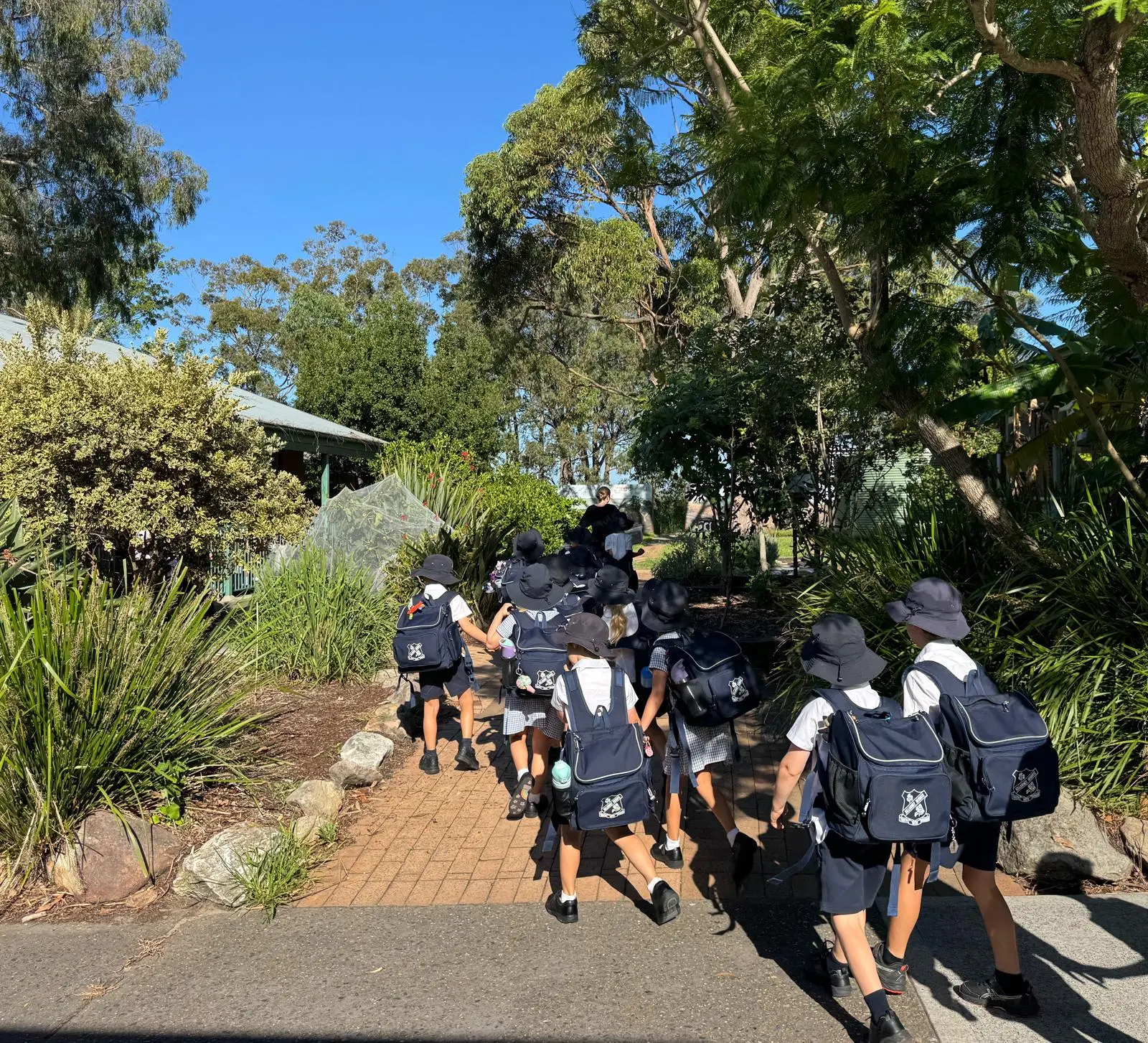
Parents can drop their children off with KHOSHC (Killarney Heights Outside of School Hours Care) before-school care from 7am, or on teacher-supervised school grounds from 8:30am.
The school bell rings at 9am, with two 30-minute breaks for recess in the morning and lunch in the afternoon.
The school day ends at 3pm, with many students then participating in after-school extracurricular activities within or outside of school, including sport, music, dance, or attending after-school care with KHOSHC (Killarney Heights Outside of School Hours Care) onsite.
Students typically experience:
- a broad curriculum across multiple subject areas each week
- a rotation of learning in English with the Dept of Education teachers, and learning in French with the FANS teacher. Lessons in French take place in smaller groups in separate learning zones, within a child’s year group of Anglophone or Francophone stream students.
- outdoor play at recess and lunch
- regular sport and physical education
- creative arts including music, drama and visual arts
- assemblies and award presentations
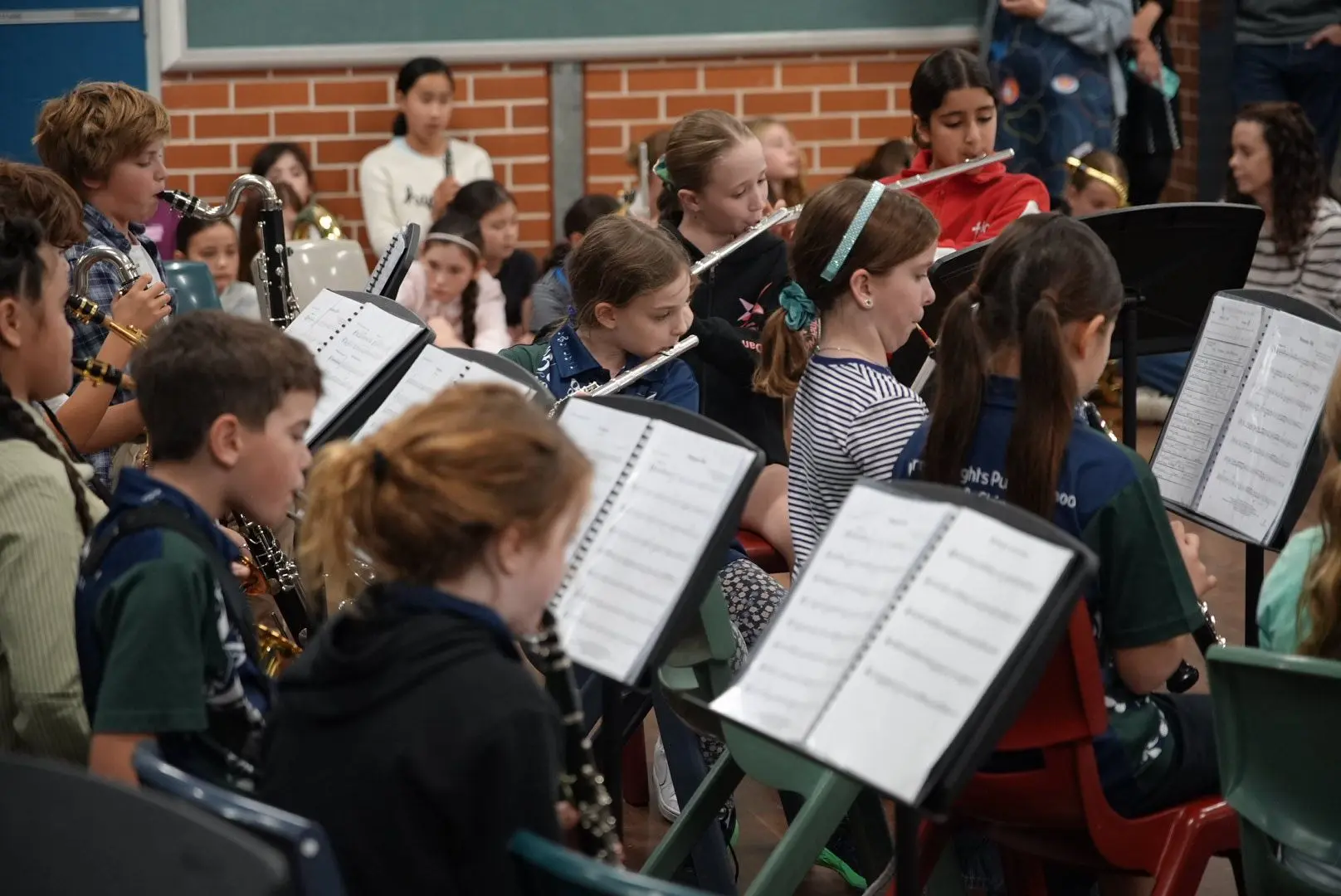
- extracurricular activities, including choirs, bands, strings, drama, chess club, Lego club, debating, etc.
- excursions, incursions and special events throughout the year, such as International Francophonie Week, Harmony Day, Book Week, Athletics Carnival, Swimming Carnival, Cross Country, 100 Days of Kindy, Year 5 & 6 camp, NAIDOC week, pen pals with Camberwell Primary School (Melbourne), Spring Fest, World Music Day, the French Market, and many more!
- French competitions each term, such as the French spelling bee, “Rallye Lecture” reading challenge, French poetry recitation competition, French reading aloud competition, illustration of a French expression, and more
- opportunities for student leadership and student voice.
Teachers foster respectful, positive relationships with students and encourage curiosity, confidence and independence from an early age.
6. What costs are involved with the bilingual program?
As a NSW public school, the FANS French bilingual program at Killarney Heights Public School offers families access to a high-quality bilingual education at a fraction of the cost of most international or independent (private) schools.
For up-to-date fee details, please visit www.fanssydey.org/enrol
Joining the FANS French bilingual program involves committing to the program for the length of your child’s schooling at KHPS and involves the payment of fees to support the program, teaching resources, and administrative costs of the association, including the salaries of FANS Teachers of French.
As a not-for-profit association within a public school, FANS fees are very competitive for the investment in your child’s bilingual education. The association endeavours to ensure the bilingual program is affordable and accessible for families.
Families also benefit from:
- an internationally recognised Label FrancÉducation accredited school
- experienced and qualified Teachers of French working alongside NSW Department of Education teachers
- a comprehensive and modern New South Wales (NSW) curriculum
- access to excellent public school facilities and resources
- significantly more affordable fees than private, independent and international schools
- a vibrant, diverse, multicultural school community.
For many families, this combination of internationally recognised bilingual education, excellent teaching, small group of learning opportunities, an outstanding lifestyle and affordable fees makes Killarney Heights Public School a truly unique educational offering—not only in Sydney, but across Australia.
What is AAFEBS and how is Killarney Heights Public School part of this network?
Killarney Heights Public School is a proud member of the Australian Association of French-English Bilingual Schools (AAFEBS), a national network of schools offering French-English bilingual education across Australia.
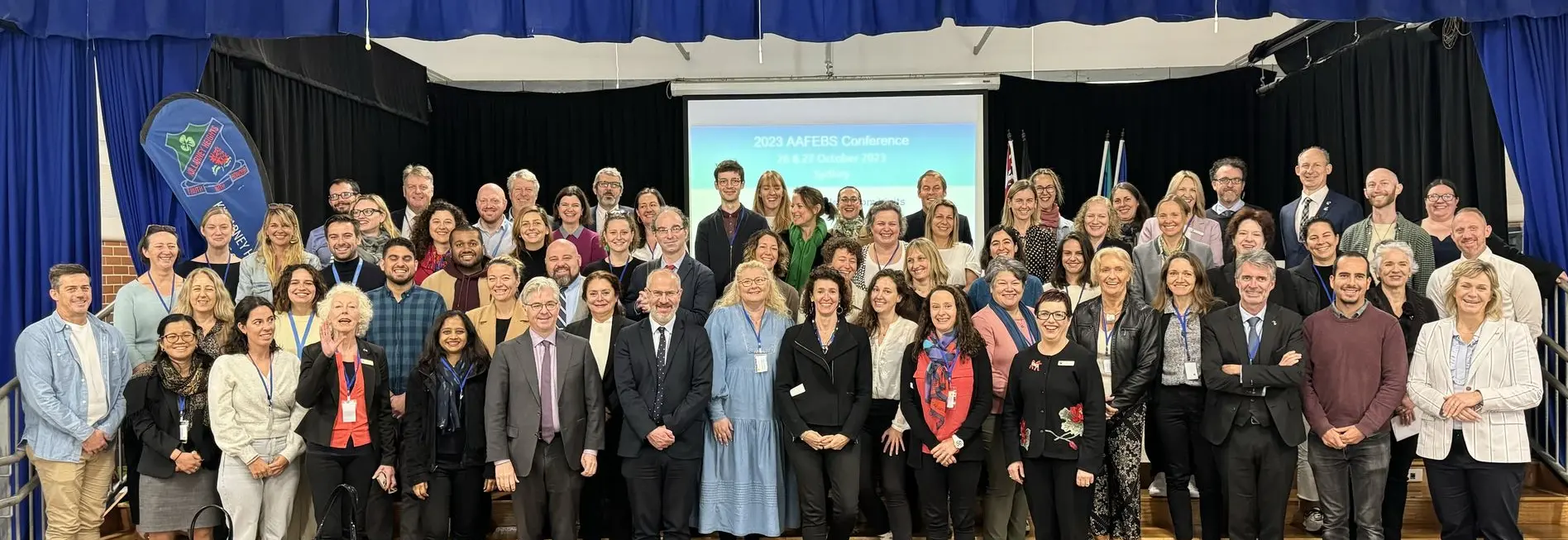
AAFEBS brings together bilingual schools with a shared mission: to promote excellence in bilingual education, strengthen French language learning, and foster collaboration between schools, educators and the wider Francophone community.
As a founding member of AAFEBS, KHPS is part of a community of schools that work together to:
- share best practice in bilingual teaching and learning
- support the professional development of Teachers of French
- promote high-quality French-English bilingual education in Australia
- strengthen links with French educational and cultural organisations
- create opportunities for students to engage with other bilingual schools across the country.
What are the benefits for students?
Being part of the AAFEBS network gives students access to unique learning opportunities beyond their own school.
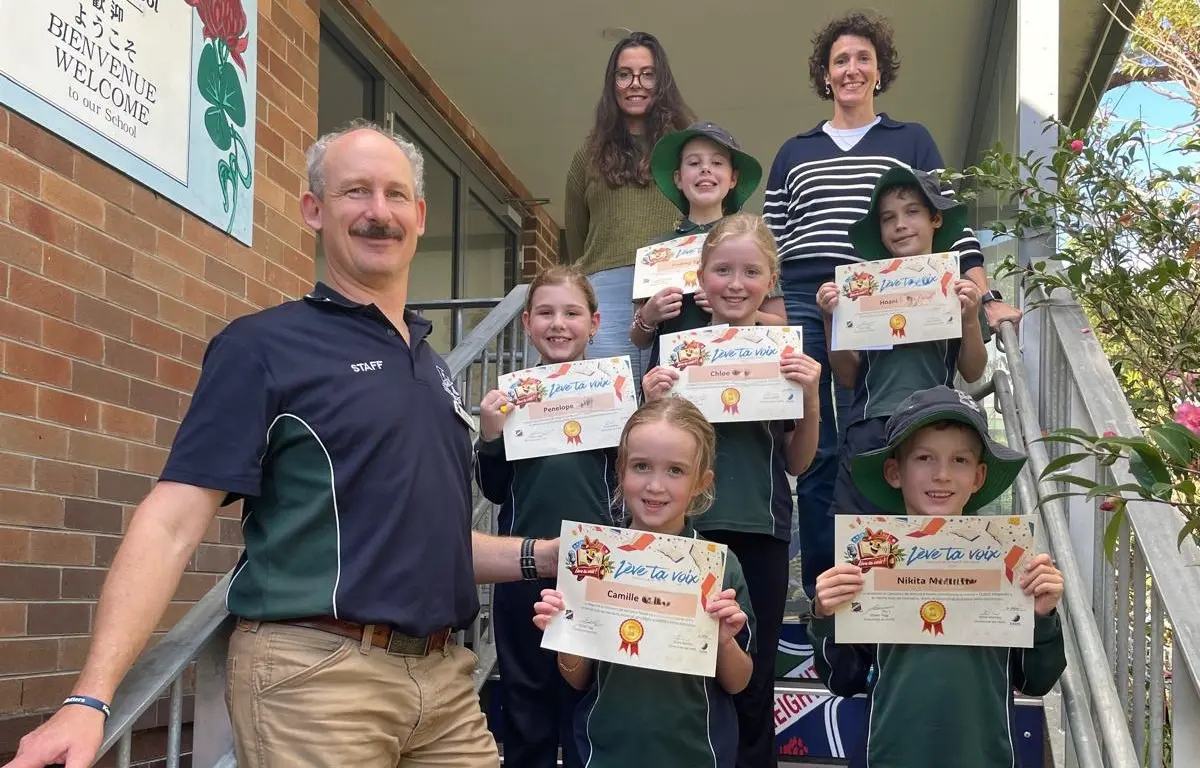
Throughout the year, students can participate in national initiatives and competitions, such as:
- Lève ta voix!, the national French Reading Aloud Competition
- collaborative projects with students from other bilingual schools
- cultural and language initiatives that celebrate the Francophone world.
These experiences encourage students to use French in authentic contexts, build confidence and feel part of a broader bilingual community across Australia.
What are the benefits for teachers?
AAFEBS provides valuable opportunities for Teachers of French to collaborate with colleagues from bilingual schools nationwide.
Teachers benefit from:
- professional learning and training
- sharing teaching resources and expertise
- collaboration on curriculum development
- networking with bilingual educators across Australia
- access to innovative teaching practices and research in bilingual education.
This ongoing collaboration helps ensure that students at KHPS benefit from high-quality, contemporary bilingual teaching.
A shared commitment to bilingual education
Through its membership of AAFEBS, Killarney Heights Public School contributes to the continued growth and recognition of French-English bilingual education in Australia.
Together, member schools are helping to create pathways for young Australians to become confident bilingual speakers, culturally aware global citizens, and lifelong learners with a strong connection to the French language and the wider Francophone world.
Is KHPS an AEFE school?
The Agency for French Education Abroad (AEFE) is a public institution under the supervision of the French Ministry for Europe and Foreign Affairs. It coordinates a worldwide network of French schools accredited by the French Ministry of National Education, where students follow the French National Curriculum and can move between French schools around the world.
As Killarney Heights Public School follows the New South Wales (NSW) Curriculum. The school has been awarded the prestigious LabelFrancÉducation accreditation, awarded by the French Ministry for Europe and Foreign Affairs. Its administration has been entrusted to the Agency for French Education Abroad (AEFE).
The LabelFrancÉducation recognises excellence in bilingual French education while allowing students to benefit from the Australian public education system.
This label is awarded only to schools that demonstrate excellence in:
- the quality of their French language teaching
- bilingual curriculum delivery
- the qualifications and expertise of their French teaching staff
- their commitment to promoting the French language and Francophone cultures.
The Label FrancÉducation is an internationally recognised mark of quality, and places Killarney Heights Public School among a select group of schools worldwide recognised for excellence in bilingual French education.
Learn more [LabelFrancÉducation]
7. What will my child achieve in French?
What level of French will my child have by the end of Year 6?
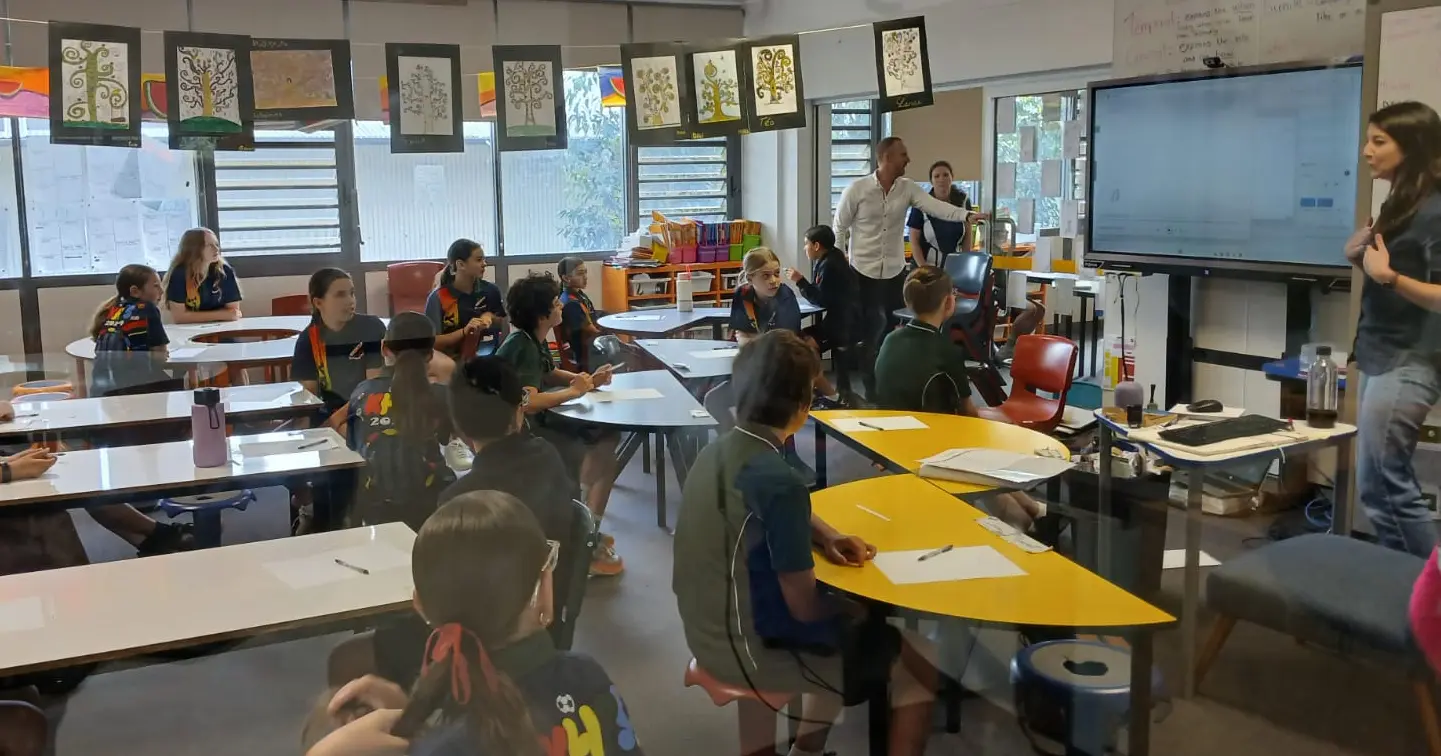
By the end of Year 6, students have developed practical skills in speaking, listening, reading and writing French. The goals of the bilingual program differ slightly between the Anglophone and Francophone streams.
Anglophone stream
The goal of the Anglophone stream is to give students a strong, practical foundation in French so that they can communicate comfortably in everyday situations, interact with French-speaking people, and use French with greater confidence when travelling or living in a French-speaking environment.
Francophone stream
The goal of the Francophone stream is to maintain and develop students' French to a level that supports their continued education in French. In particular, the program aims to enable students to reintegrate into a French-language school system at an age-appropriate level should their family move to a French-speaking country.
DELF Prim' examinations
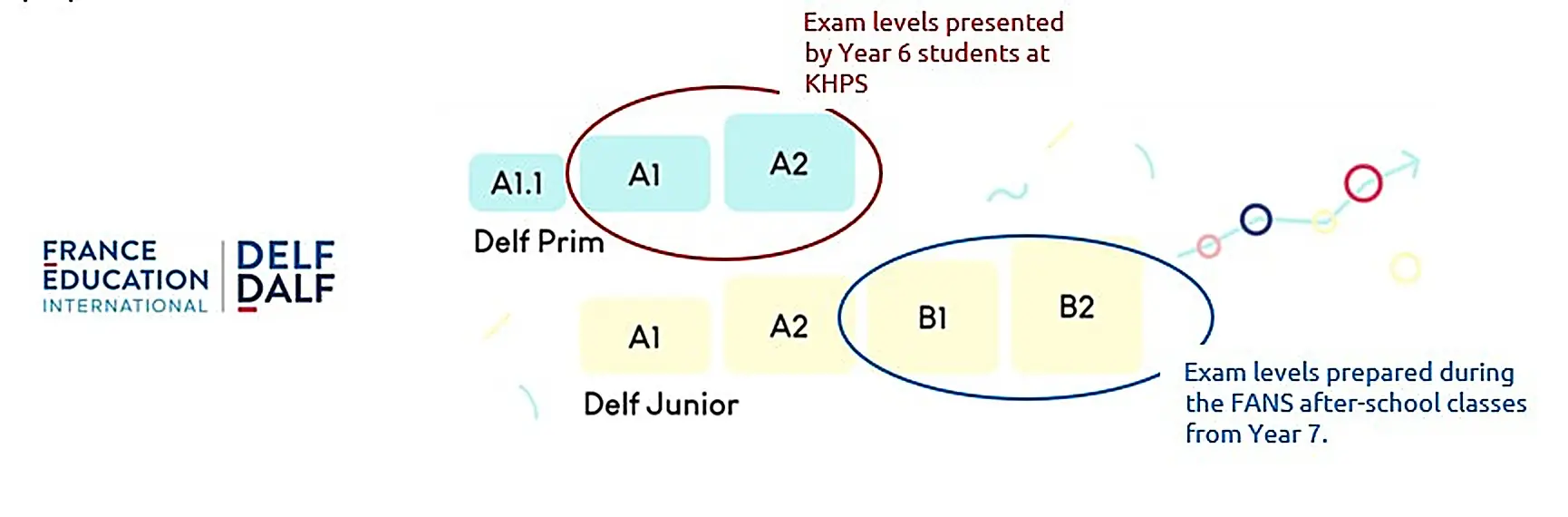
Students from both the Anglophone and Francophone streams have the opportunity to sit the internationally recognised DELF Prim' examinations at A1 or A2 level, depending on their proficiency.
The DELF (Diplôme d'Études en Langue Française) is an official qualification awarded by the French Ministry of Education. It is recognised internationally and remains valid for life.
The examination assesses four language skills:
- Speaking
- Listening comprehension
- Reading comprehension
- Writing
Holding a DELF qualification can provide students with a valuable internationally recognised certification as they continue learning French in high school and beyond.
What is the DELF?
The DELF (Diplôme d'Études en Langue Française) is the official French language qualification awarded by the French Ministry of Education.
It is recognised around the world and provides an internationally benchmarked certification of a student's French proficiency.
The qualification:
- is recognised internationally
- never expires
- assesses speaking, listening, reading and writing
- can support future study, exchange programs and employment opportunities.
Year 6 students in our bilingual program are encouraged to sit the DELF Prim examination at the level most appropriate to their abilities, either the A1 or A2 exam.
Students in high school can continue to develop their French language skills with FANS extracurricular classes after school in Forestville, including DELF Jr B1 & B2 exam preparation classes.
These DELF certifications open opportunities to study and live in French-speaking countries, help prepare for HSC French, and can lead to a variety of career paths.
Where does the language pathway lead after KHPS?
One of the greatest advantages of our bilingual program is that it provides a strong foundation for students to continue developing their French throughout high school.
Killarney Heights High School (KHHS)
While Killarney Heights High School does not offer a bilingual program, it has a long-standing and highly regarded French language pathway that recognises the different levels of proficiency achieved by graduates of the KHPS bilingual program.
Students who continue to KHHS are placed into French classes appropriate to their prior learning:
- Prior Learning French for students graduating from the Anglophone Stream
- Background Speakers French for students graduating from the Francophone Stream. (
This differentiated approach allows students to continue learning alongside peers with similar language backgrounds and to build on the strong foundations developed during primary school.
For senior students, KHHS also offers HSC French Continuers and HSC French Extension, enabling students to continue their French studies through to Year 12. Availability of courses is subject to student enrolments and NSW curriculum requirements.
To learn more about French at Killarney Heights High School, visit the school's official website:
Please note: FANS does not operate at Killarney Heights High School. French classes at KHHS are delivered by NSW Department of Education teachers as part of the school's language program.
FANS Extracurricular High School French Classes
FANS also offers a range of after-school French extracurricular classes for high school students, designed to complement school learning and help students maintain and extend their French proficiency.
Depending on enrolments and demand, classes may include:
- DELF Junior B1 & B2 exam preparation classes for Francophone and Anglophone stream students
- Esprit Critique, a discussion-based current affairs class that encourages critical thinking skills and studies global news and events
- French History Workshop
- French conversation group
These small-group classes are taught by experienced Teachers of French and provide opportunities for students to continue learning alongside peers from the bilingual program and the wider French-speaking community.
Beyond high school
Continuing French throughout secondary school opens the door to many future opportunities, including:
- HSC French studies
- university study in French or international studies
- student exchange programs
- travel and study abroad
- careers where multilingual and intercultural skills are highly valued.
Many of our graduates leave the program with a lifelong connection to the French language and continue using it throughout their education, careers and personal lives.